
Gapa Hele Bi Sata — A Landmark in Odia Cinema
Gapa Hele Bi Sata — A Landmark in Odia Cinema.
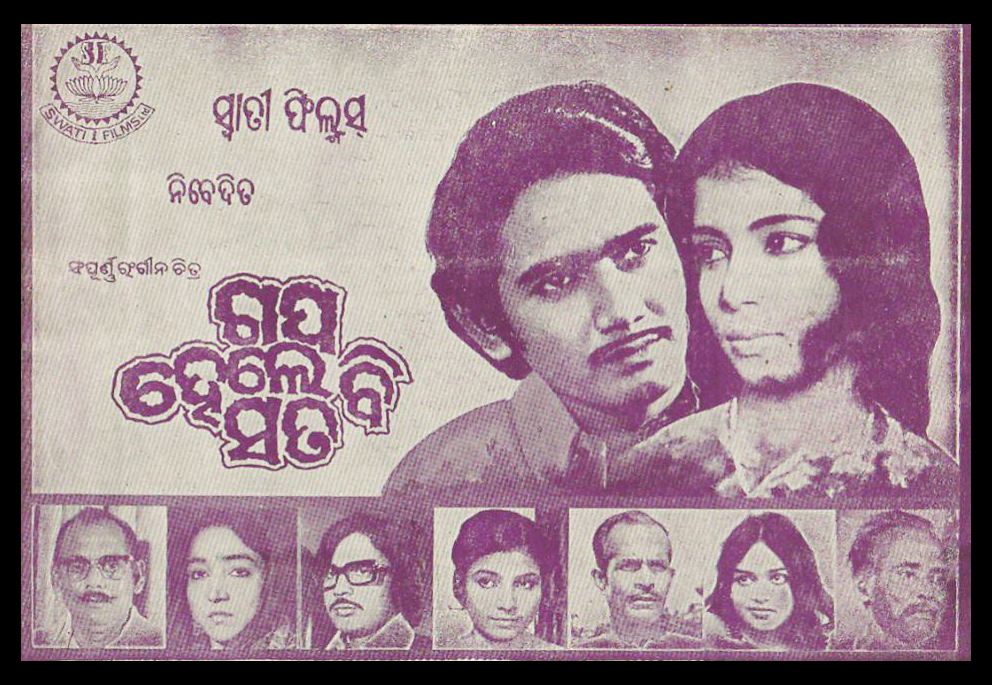
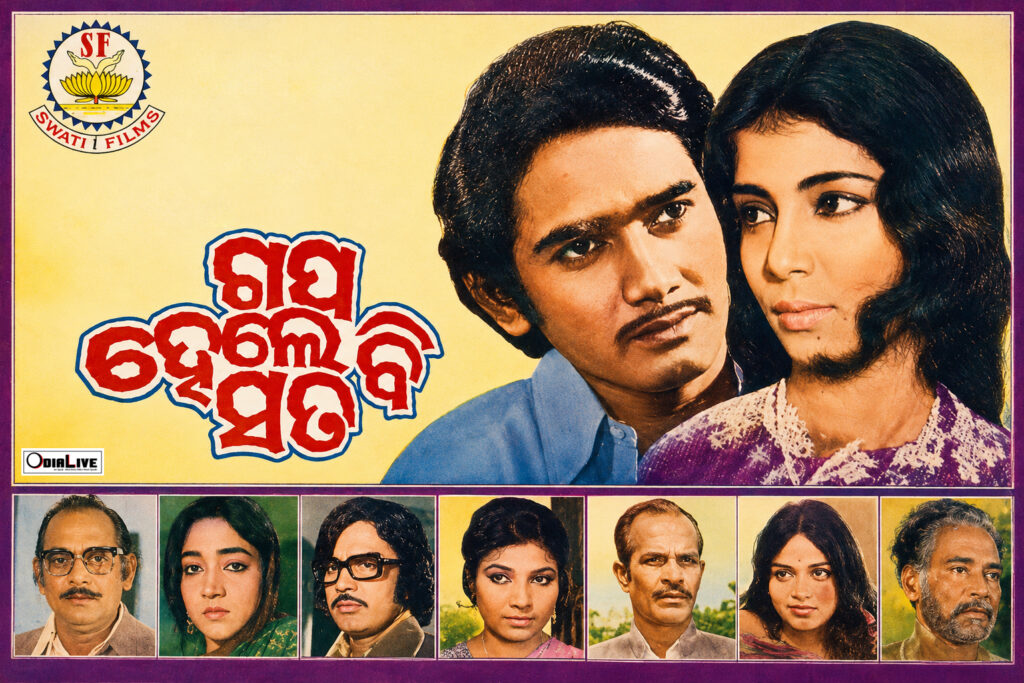
Released on 16 July 1976 at Prabhat and Jyoti Talkies in Cuttack, Gapa Hele Bi Sata holds a special place in the history of Odia cinema. Directed by Nagen Ray and produced by Subimal Chandra Mallick under the banner of Swati Films, the movie is remembered as the first fully colour Odia film.
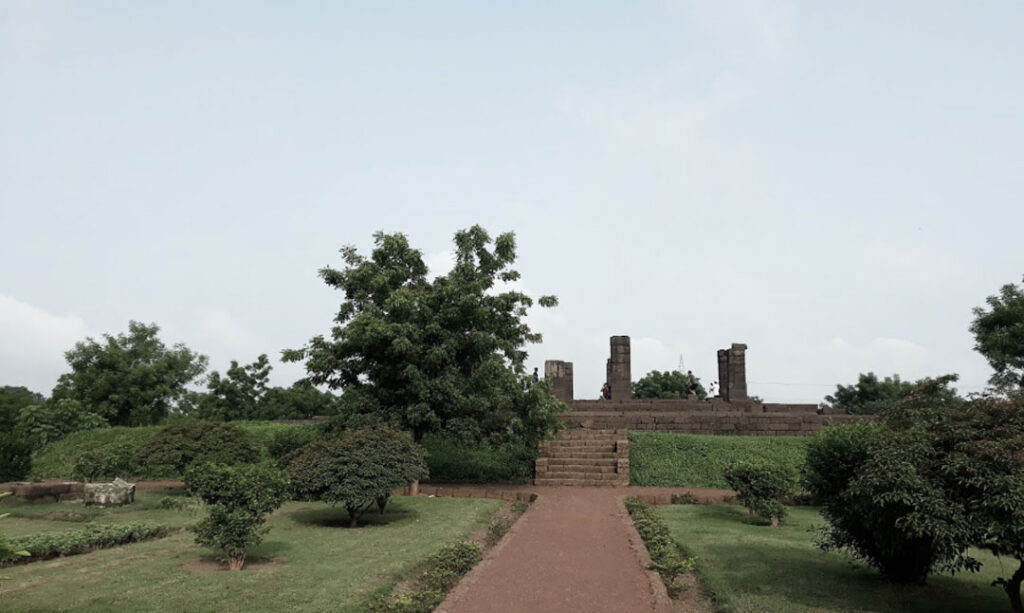
The film presents an emotional story built around love, separation, sacrifice and destiny. The narrative follows a wealthy tourist who visits the magnificent temples of Konark and falls in love with a local woman. After marrying her, he suddenly leaves and does not return. Determined to find her husband, the woman eventually traces him to his home, setting the stage for an emotional journey filled with unexpected turns.
🎭 Cast
The film featured Harish Mohapatra, Banaja Mohanty, Sudha Rani Jena, Saudamini Dasgupta, Suresh Mishra, Netrananda Mishra, Niharika Sahu, Durlabh Singh, Tanuja, Purna Jena, Rashmi, Bishnu, Ram Das, Ramesh, Bhagyalaxmi, Abdul, Batraj Dev Goswami, Pinky, Sumu and several other artistes.
🎥 Crew
- Director: Nagen Ray
- Producer: Subimal Chandra Mallick
- Production Company: Swati Films
- Assistant Directors: Prasanna Mishra, Ajit Das
- Story: Basant Mohapatra
- Screenplay: P. D. Shenoy
- Cinematography: Surendra Sahoo
- Choreography: Madho Kishan
- Sound Recording: Pran Mishra
- Make-up: Ramamurthy
- Art Direction: Nikhil Baran Sengupta
- Lyrics: Gurukrushna Goswami
- Music: Bhuban–Hari
🎵 Memorable Songs
The music of Gapa Hele Bi Sata was created by Bhubaneswar Mishra and legendary flautist Hari Prasad Chaurasia, who collaborated under the name Bhuban–Hari. The songs added considerable emotional depth to the film.
Some of the notable tracks include:
- Jaya Jadu Nandana — Vani Jayaram, Suman Kalyanpur
- E Mora Dost — Amit Kumar
- Gapa Helebi Sata — Suman Kalyanpur
- Sathire Mun Je Janena Kaha Bata — Suman Kalyanpur
- E Banara Chhai — Suman Kalyanpur, Amit Kumar
More than five decades after its release, Gapa Hele Bi Sata remains an important name in Odia film history. Its pioneering use of colour, memorable music and emotionally engaging storyline have helped preserve its place among the cherished classics of Odia cinema.
A film that was a milestone when it arrived in 1976—and remains a treasured chapter in the story of Odia cinema.
Also Read : Best Images